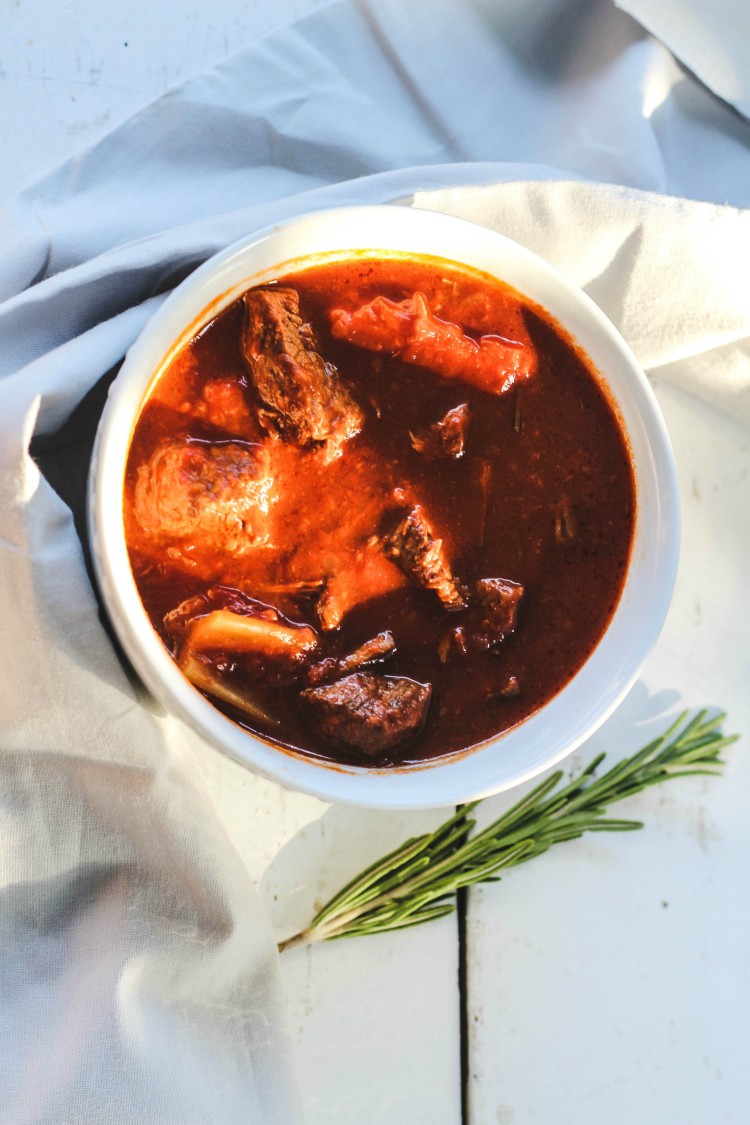
Slow-Cooked Italian Beef Spezzatino: A Timeless Classic, Tender & Better Tomorrow
Imagine a dish so deeply comforting, so rich in flavor, it feels like a warm embrace on the chilliest of evenings. That, my friends, is the essence of traditional
Italian beef stew, known more intimately across Italy as Spezzatino. This isn't just any stew; it's a slow-cooked masterpiece where tender chunks of beef soak up a glorious, aromatic sauce, transforming into something truly magical – especially when enjoyed the next day. The beauty of Slow-Cooked Italian Beef Spezzatino lies not only in its rustic simplicity but in its promise: tender, flavorful, and unequivocally *better tomorrow*.
This hearty Italian classic has been gracing family tables for generations, a testament to its enduring appeal. It's the kind of meal that brings everyone together, inviting them to slow down and savor every spoonful. While the cooking process requires a bit of patience, the hands-on time is minimal, and the reward is a deeply satisfying dish that truly embodies the warmth of Italian home cooking.
What is Spezzatino? More Than Just an Italian Beef Stew
To truly appreciate Spezzatino, it's worth understanding its name. The word "spezzatino" is a diminutive of "spezzato," which means fragmented or broken. This refers directly to the way the meat is prepared for the dish: cut into small, uniform cubes, or "diced." While "stufato" is the general Italian term for stew (derived from "stufa," meaning stove), Spezzatino specifically denotes a meat stew where the meat is diced, setting it apart from stews made with sliced cuts.
This distinction highlights the intentionality behind Spezzatino. The small, even pieces of beef are designed to become incredibly tender during the long, slow simmer, absorbing the rich flavors of the sauce completely. Traditionally, Spezzatino is a beloved fixture of Sunday family lunches, a meal designed to be leisurely enjoyed, fostering connection and conversation around a communal table. It’s a dish that embodies honest, hearty Italian cooking at its very best.
The Art of the Slow Cook: Why Spezzatino is a Labor of Love
The secret to Spezzatino's melt-in-your-mouth tenderness and profound flavor lies squarely in its slow-cooking method. Unlike quick-cooking cuts, Spezzatino utilizes tougher, more economical cuts of beef such as chuck, shoulder, or brisket. These cuts are rich in connective tissue, which, under low heat and prolonged cooking, breaks down into gelatin, resulting in that incredibly succulent texture that defines a great stew.
This process isn't just about tenderness; it's about flavor development. As the beef simmers gently in its aromatic liquid, all the ingredients—the soffritto, wine, herbs, and tomatoes—have ample time to meld and deepen. The longer they cook together, the more complex and harmonious the flavors become. This is also why Spezzatino truly shines the next day. Overnight, the flavors continue to marry and intensify, creating a more cohesive and even richer taste profile. Reheating allows the components to further integrate, making each bite even more delicious than the first. It's a culinary lesson in patience yielding superior results.
Essential Ingredients for Authentic Spezzatino
Crafting an authentic Italian Beef Spezzatino begins with selecting the right components. While simple, each ingredient plays a crucial role in building the dish's signature depth of flavor.
*
The Meat: As mentioned, beef chuck, shoulder, or brisket are your best friends here. Their marbling and connective tissue are perfect for slow cooking. If you prefer a milder flavor, veal can be used for "veal spezzatino," but be sure to reduce cooking time significantly as veal cooks much faster.
*
The Soffritto: This aromatic foundation is non-negotiable in Italian cooking. A mix of finely chopped carrots, celery, and onion, gently cooked in extra virgin olive oil until soft and translucent, provides the sweet and savory base notes for the stew.
*
The Wine: A generous splash of dry red wine (medium quality is perfectly fine) is traditional, though dry white wine can also be used. The alcohol evaporates, leaving behind concentrated flavor that deglazes the pan and adds depth.
*
Tomato Elements: Tomato paste is commonly used for its concentrated flavor and color. It can be substituted with crushed tomatoes or passata (tomato sauce) for a slightly different texture and intensity.
*
Fresh Herbs: Bay leaf is a must, adding a subtle, earthy note. Freshly minced parsley, sage, and rosemary are the quintessential Italian additions, contributing vibrant aromatics. Dried herbs can be used in a pinch, but fresh truly elevates the dish.
*
Flour: A light dusting of all-purpose flour on the beef cubes serves two purposes: it helps create a delicious crust when seared and naturally thickens the stew to a luscious consistency.
*
Extra Virgin Olive Oil (EVOO): The fat of choice for sautéing the soffritto and browning the meat, lending its distinct fruity notes to the base.
*
Broth or Water: Homemade meat broth will undeniably yield a superior flavor. If unavailable, store-bought broth or even water can be used, especially if you're using passata which already has significant flavor.
Mastering the Method: A Step-by-Step Guide to Perfection
Making Spezzatino is a rewarding process, and thoughtful preparation makes it even more enjoyable. For a comprehensive guide to mastering this dish, you might also find this article helpful:
Spezzatino Explained: How to Make Authentic Italian Beef Stew.
1.
Mise en Place (Preparation): This French culinary term, meaning "everything in its place," is key.
* Finely chop the carrots, celery, and onion for your soffritto.
* Mince your fresh herbs (parsley, sage, rosemary), keeping the bay leaf whole.
* Cut the beef into medium-sized, equally proportioned cubes (about 1.5-2 inches).
* Lightly dredge the beef cubes in flour, tapping off any excess. This ensures a thin, even coating.
* Heat your broth or water so it's hot when ready to add.
2.
Build the Soffritto: In a large, heavy-bottomed pot or Dutch oven, drizzle a generous amount of extra virgin olive oil. Add the chopped carrot, celery, and onion. Cook on medium-low heat, stirring occasionally, until the vegetables are very soft and translucent, about 8-10 minutes. This slow cooking allows their natural sugars to caramelize and sweeten. Once ready, transfer the soffritto to a bowl, leaving the pot free for the meat.
3.
Sear the Beef: Add another drizzle of EVOO to the same pot over medium-high heat. Working in batches if necessary to avoid crowding the pan (crowding steams the meat instead of browning it), add the flour-dusted beef cubes. Sear them on all sides until beautifully browned. This crucial step, known as the Maillard reaction, creates incredible depth of flavor.
4.
Deglaze and Infuse: Once the meat is seared, add your minced fresh herbs (excluding the bay leaf) and stir for about a minute until fragrant. Pour in the red wine and increase the heat to high. Let the wine simmer vigorously for a few minutes, scraping up any browned bits from the bottom of the pan with a wooden spoon. This deglazes the pan, incorporating all those flavorful fond into the sauce. Continue cooking until the wine has almost entirely evaporated.
5.
Simmer to Perfection: Return the cooked soffritto to the pot with the beef. Stir well to combine. Add the hot broth or water, the bay leaf, and the tomato paste (if using). Stir again until everything is well incorporated. Bring the mixture to a gentle simmer, then reduce the heat to low, cover the pot with a lid, and let it cook for 45 to 90 minutes, or even longer for larger quantities or tougher cuts, until the beef is fork-tender. Check periodically to ensure it's not sticking and add a little more hot liquid if it's drying out.
6.
Finishing Touch: About 10-15 minutes before you anticipate the stew being ready, add about a cup of fresh or frozen peas. Continue to simmer until the peas are cooked through and vibrant green. Season with salt and freshly ground black pepper to taste.
Serving & Savoring: The "Better Tomorrow" Secret
While Slow-Cooked Italian Beef Spezzatino is undeniably delicious straight from the pot, its true magic reveals itself after a night in the refrigerator. The flavors deepen, meld, and intensify, making it a superior experience the next day. This makes it an ideal make-ahead dish for entertaining or for preparing a comforting meal during a busy week.
Serve your tender Spezzatino with classic Italian accompaniments like creamy polenta, mashed potatoes, or simply a generous piece of crusty Italian bread to soak up every last drop of the rich sauce. A sprinkle of fresh parsley just before serving adds a touch of brightness and color. This hearty stew is the perfect antidote to a chilly evening, a dish that nourishes both body and soul.
Conclusion
Slow-Cooked Italian Beef Spezzatino is more than just a meal; it's an experience. From the careful dicing of the meat to the slow, patient simmer, every step contributes to a dish that is deeply flavorful, incredibly tender, and profoundly comforting. Its ability to improve with time makes it a chef's secret weapon and a home cook's dream. Embrace the tradition, savor the process, and discover for yourself why this authentic Italian beef stew is truly better tomorrow. Bring the warmth and love of Italian home cooking to your table with this timeless classic.