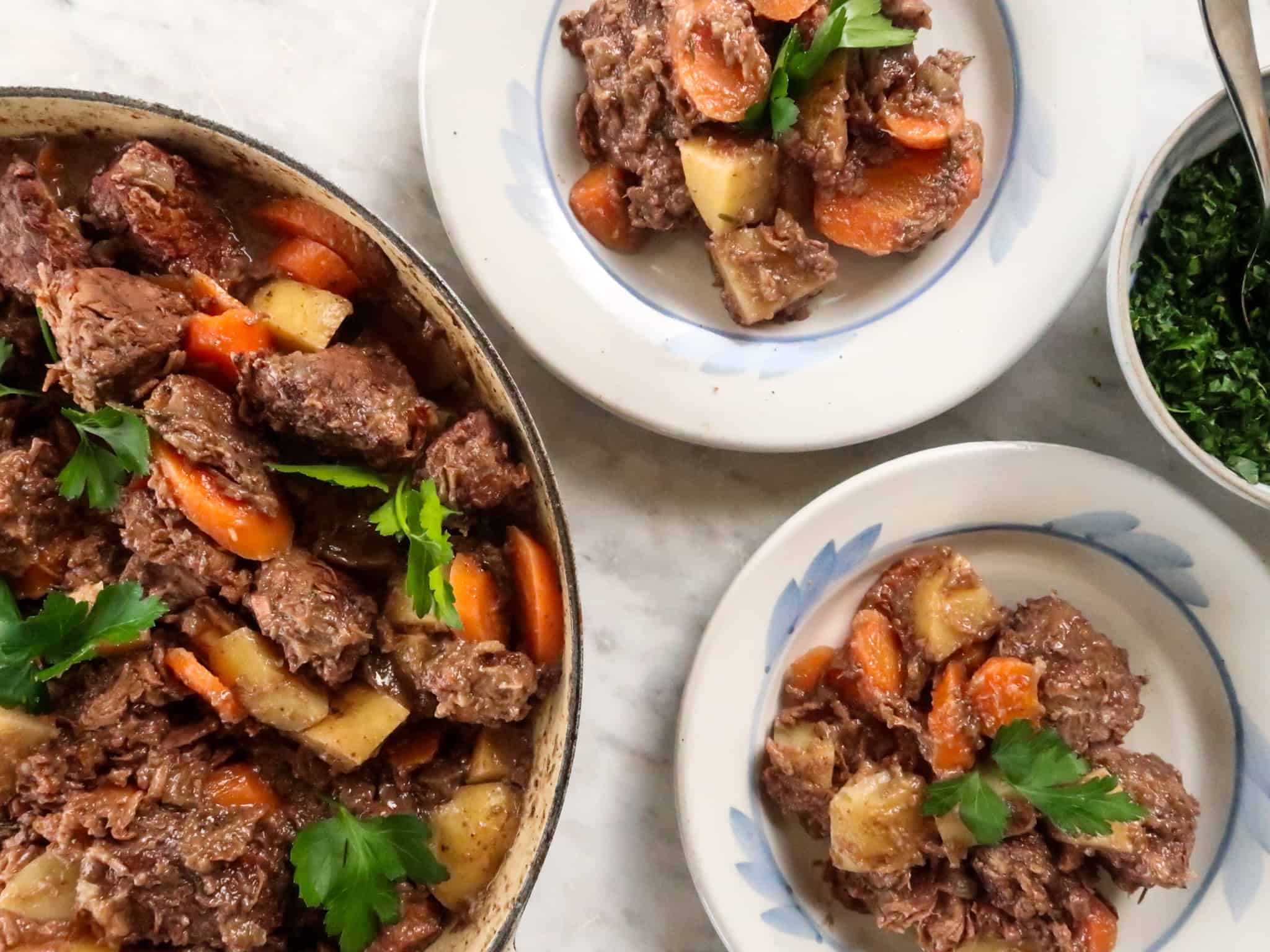
Spezzatino Explained: How to Make Authentic Italian Beef Stew
There are few dishes that evoke the same sense of warmth, comfort, and belonging as a truly authentic Italian beef stew. Known as Spezzatino in Italy, this hearty creation is more than just a meal; it's a culinary hug, a dish steeped in tradition and perfect for bringing loved ones together around the table. Imagine tender chunks of beef, slow-cooked to perfection, swimming in a rich, savory tomato-based sauce, infused with aromatic herbs and softened vegetables. It’s the kind of dish that makes even the chilliest evenings feel cozy, a little slice of Italy you can easily recreate in your own kitchen.
While often simply translated as "beef stew," Spezzatino holds a special place in Italian cuisine, particularly as a cherished Sunday family lunch. It's a testament to the power of simple, high-quality ingredients transformed into something extraordinary through patient, loving preparation. If you've been searching for a dish that truly delivers on flavor, comfort, and authenticity, look no further than this classic Italian beef stew.
What Exactly is Spezzatino? Understanding the Name and Its Place in Italian Cuisine
The name Spezzatino itself offers a clue to the dish's fundamental characteristic. It's a diminutive of the Italian word spezzato, meaning "fragmented" or "broken," directly referring to the way the meat is prepared – diced into medium-sized cubes. This contrasts with stufato, the broader Italian term for "stew," which can encompass various ingredients (meat, fish, vegetables) and meat cuts (sliced or diced). So, while all spezzatino is a type of stufato, not all stufato is spezzatino – the dicing of the meat is key.
This subtle distinction highlights the precision and tradition embedded in Italian cooking. Spezzatino is typically reserved for those tougher cuts of meat that benefit immensely from long, slow cooking, allowing them to break down into incredibly tender, melt-in-your-mouth morsels. It’s a dish that embodies the Italian philosophy of maximizing flavor from humble ingredients. Its reputation as a staple for Sunday family lunches isn't just about tradition; it's also incredibly practical. Spezzatino is one of those magical dishes that often tastes even better the next day, making it ideal for preparing ahead of time and enjoying throughout the week. For a deeper dive into this comforting tradition, explore how Traditional Italian Beef Stew (Spezzatino) offers a Hearty Hug.
The Anatomy of an Authentic Italian Beef Stew: Key Ingredients
Creating a truly authentic Italian beef stew hinges on understanding the role of each ingredient. Quality matters, but so does the careful balance and preparation of these components. Here's a breakdown:
- The Meat: The star of the show. For beef, opt for cuts like beef chuck, shoulder, or brisket. These cuts, while initially tough, are rich in collagen and fat, which break down during long cooking, yielding incredibly tender and flavorful results. If you prefer, veal can also be used for a lighter veal spezzatino, though it will require a significantly reduced cooking time.
- The Soffritto: This aromatic base is the soul of many Italian dishes. A classic soffritto for spezzatino consists of finely chopped carrots, celery, and onion. These vegetables are gently sautéed in extra virgin olive oil until softened, releasing their sweet and savory flavors, which form the foundation of the stew's depth.
- The Wine: A generous splash of medium-quality dry red wine is traditional, adding a layer of complexity and helping to deglaze the pan, capturing all those delicious browned bits. Dry white wine can be used as an alternative if preferred. Remember, use a wine you'd enjoy drinking; its flavor will concentrate in the stew.
- Tomato Elements: Tomato paste is commonly used for its concentrated flavor and rich color, often added after the wine. However, crushed tomatoes or tomato sauce (passata) can also be used, sometimes even in place of the paste and some of the broth, offering a fresher tomato profile.
- Herbs: Fresh herbs truly elevate the flavor. Bay leaf is essential, often added whole during simmering. Minced fresh parsley, sage, and rosemary are wonderful additions, though high-quality dried herbs can be used in a pinch.
- Flour: A light dusting of flour on the diced meat serves a dual purpose: it helps create a delicious browned crust when seared and acts as a natural thickener for the stew's sauce, giving it a luxurious, velvety texture.
- Extra Virgin Olive Oil (EVOO): As always in Italian cooking, a good quality EVOO is crucial for sautéing the soffritto and searing the meat, imparting its distinctive fruity notes.
- Broth: Homemade meat broth is ideal for a superior flavor, providing a rich, savory liquid base. If unavailable, good quality store-bought broth or even water combined with a little extra tomato passata can work.
- Peas: Often added in the final minutes of cooking, green peas provide a lovely pop of color and a touch of sweetness, complementing the rich flavors of the stew.
Mastering the Art of Spezzatino: A Step-by-Step Guide
Making an authentic Italian beef stew is a process that rewards patience and attention to detail. Follow these steps for a truly memorable dish:
1. Preparation is Key (Mise en Place)
Before you even turn on the stove, get all your ingredients ready. This makes the cooking process smooth and enjoyable. Finely chop your carrots, celery, and onion for the soffritto. Mince your fresh herbs (parsley, sage, rosemary), reserving bay leaf for later. Cut your beef into medium-sized, roughly equally proportioned cubes – aim for about 1.5 to 2 inches. Finally, lightly dredge each piece of beef in flour, tapping off any excess. This ensures an even coating and prevents a gummy sauce.
2. Building the Flavor Base: Soffritto First
In a large, heavy-bottomed pot or Dutch oven, add a generous drizzle of extra virgin olive oil. Over medium-low heat, add your chopped carrots, celery, and onion. Cook gently, stirring occasionally, until the vegetables soften and become translucent, usually about 8-10 minutes. This slow cooking allows their flavors to develop fully without browning. Once the soffritto is ready, transfer it to a bowl and set aside, reserving the same pot for the meat.
3. Searing the Beef for Depth
Increase the heat to medium-high in the same pot. Add another drizzle of EVOO if needed. Add the floured beef cubes in batches, ensuring not to overcrowd the pan. Brown the meat thoroughly on all sides. This searing step is vital as it creates a flavorful crust (the Maillard reaction) which adds incredible depth to your stew. Once browned, add your minced fresh herbs and stir for about a minute until fragrant.
4. Deglazing and Simmering to Perfection
Pour in a generous splash of dry red wine. Let it cook on high heat for a few minutes, stirring and scraping up any browned bits from the bottom of the pan, until the alcohol has mostly evaporated. This deglazing step captures all the caramelized flavors. Now, return the cooked soffritto to the pot with the beef. Stir everything together well. Add your hot broth (or water/passata) and tomato paste (if using), along with the bay leaf. Stir again, ensuring all ingredients are well combined.
Bring the liquid to a gentle simmer, then reduce the heat to low, cover the pot with a lid, and let your Italian beef stew cook. For beef, this can take anywhere from 1.5 to 2.5 hours, or even longer, until the meat is fork-tender. If using veal, reduce the cooking time to about 45-60 minutes. Stir occasionally to prevent sticking and add a little more hot liquid if the stew becomes too dry.
5. The Finishing Touch: Peas
About 10-15 minutes before the stew is ready, stir in the green peas. Continue to simmer gently until the peas are cooked through and vibrant green. Taste and adjust seasoning with salt and freshly ground black pepper as needed. For more insights on achieving tender results and why this dish improves over time, read about Slow-Cooked Italian Beef Spezzatino: Tender & Better Tomorrow.
Tips for the Perfect Pot of Spezzatino
- Don't Rush the Browning: Searing the meat properly is critical for flavor development. Take your time and brown in batches if necessary.
- Quality Ingredients: While a humble dish, good quality extra virgin olive oil, fresh vegetables for the soffritto, and a decent wine will make a noticeable difference.
- Taste and Adjust: Always taste your stew before serving. Seasoning can make or break a dish.
- Resting Period: Like many stews, Spezzatino benefits from a short rest off the heat before serving, allowing the flavors to meld further.
- Serve It Right: Spezzatino is traditionally served with creamy polenta, mashed potatoes, or simply with crusty bread to mop up every last drop of the glorious sauce. It can also be wonderful tossed with short pasta.
- Make Extra: This stew truly does get better the next day as the flavors deepen and meld. It's perfect for leftovers!
Spezzatino is more than just an Italian beef stew; it's an experience, a tradition, and a testament to the beauty of slow food. It embodies the essence of Italian home cooking—simple ingredients, carefully prepared, yielding profound flavors that nourish both body and soul. Embrace the process, savor the aromas, and enjoy the delicious reward of an authentic Italian culinary masterpiece.
