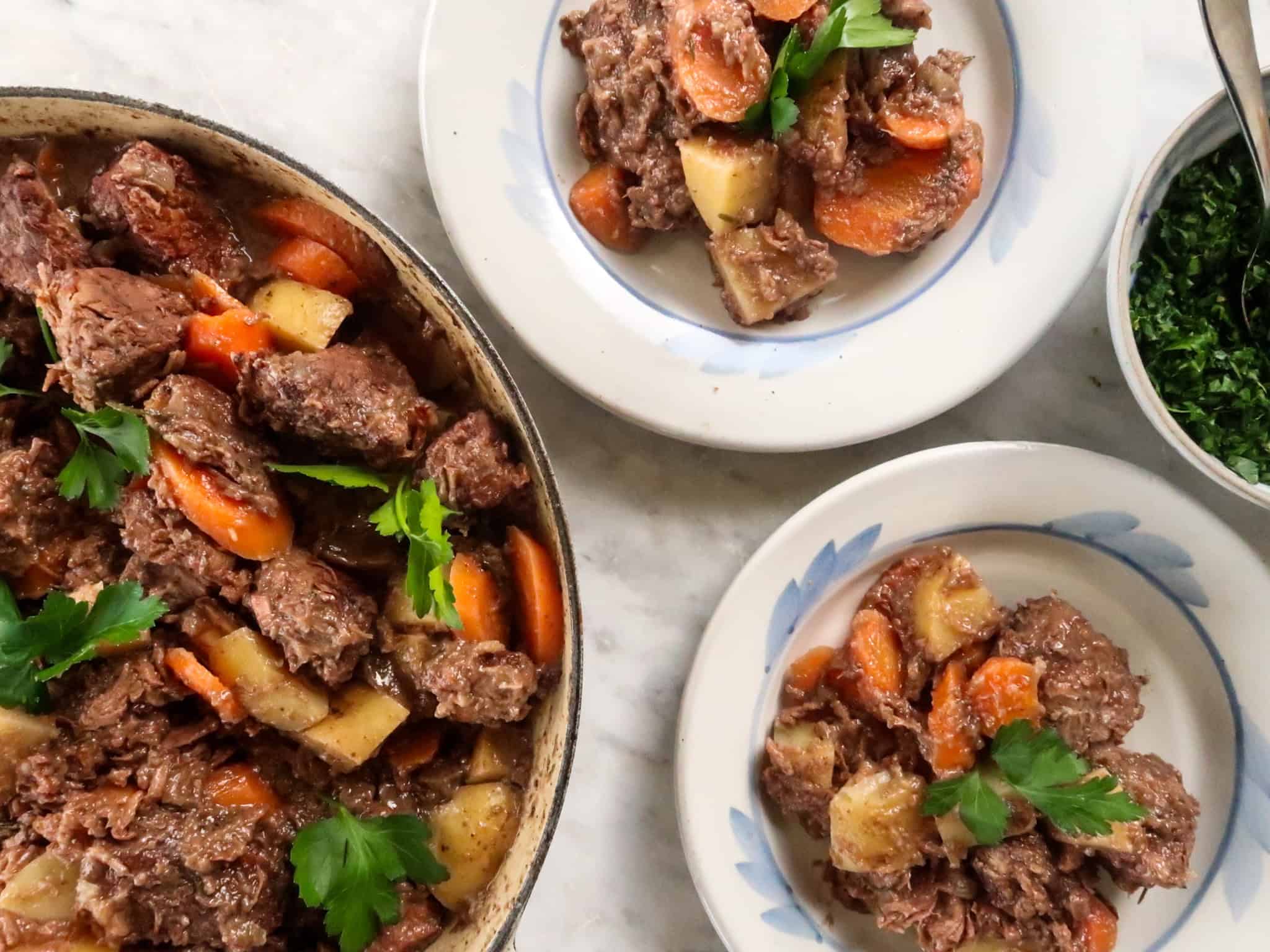
Traditional Italian Beef Stew (Spezzatino): A Hearty Hug from Italy
Imagine a dish that wraps you in warmth, reminiscent of cherished family gatherings and the comforting aroma of home cooking. That’s exactly what
Traditional Italian Beef Stew, or *Spezzatino*, offers. This isn't a dish designed for elaborate presentation; it's a celebration of simple, wholesome ingredients transformed by time and care into something truly extraordinary. Tender, succulent chunks of beef, enveloped in a rich, deeply flavored tomato-based sauce, make every spoonful feel like a warm embrace. Often enriched with familiar root vegetables like potatoes and carrots that melt into the sauce, soaking up its profound flavors, *Spezzatino* is more than just a meal – it’s an experience, a little slice of Italy brought right into your kitchen. Perfect for chilly evenings or a leisurely Sunday lunch, this hearty stew embodies the soul of Italian comfort food, bringing people together around a table filled with love and deliciousness.
What Exactly is Spezzatino? Understanding the Name and the Dish
While often translated as "Italian beef stew," the term *Spezzatino* carries a more specific meaning in Italian culinary tradition than its general English counterpart. The name itself is a diminutive of the Italian word *spezzato*, which means "fragmented" or "broken into pieces." This refers directly to the way the meat is prepared for the dish: cut into uniform, medium-sized cubes or "fragments."
It's important to distinguish *Spezzatino* from *Stufato*, which is the broader Italian term for "stew." *Stufato* derives from *stufa* (stove) and can refer to any stew cooked slowly, potentially featuring meat, vegetables, fish, or legumes, where the meat might be in slices or dices. *Spezzatino*, however, specifically denotes a meat-based stew where the meat is *diced*. This distinction highlights the precise nature and traditional preparation of this beloved dish.
Traditionally, *Spezzatino* is a cornerstone of the Italian Sunday family lunch – a hearty, filling, and deeply comforting meal meant to be savored. It's the kind of dish that rewards patience, not just in its cooking but in its enjoyment. One of its most famous attributes is that it often tastes even better the next day, as the flavors have more time to meld and deepen. This makes it an ideal candidate for making a large pot, ensuring delicious leftovers for busy weeknights or further enjoyment. The commitment to slow cooking transforms tough cuts of beef into incredibly tender morsels, making *Spezzatino* a testament to the magic of time and low heat.
The Art of Crafting the Perfect Spezzatino: Key Ingredients and Their Roles
The beauty of *Spezzatino* lies in its robust flavor profile, built upon a foundation of simple, high-quality ingredients. Each component plays a crucial role in developing the stew’s signature depth and texture.
Choosing the Right Meat
For an authentic
Italian beef stew, the choice of meat is paramount. Cuts like
beef chuck, shoulder, or brisket are ideal. These tough cuts are rich in connective tissue, which, when subjected to long, slow cooking, breaks down into gelatin, creating incredibly tender, flavorful meat that holds its shape. While beef is traditional, you can also opt for veal *Spezzatino*, though you'll need to significantly reduce the cooking time as veal cooks much faster. The goal is always medium-sized, equally proportioned cubes, ensuring even cooking.
The Aromatic Base: Soffritto
No true Italian savory dish is complete without a *soffritto*, and *Spezzatino* is no exception. This foundational blend of finely chopped
carrot, celery, and onion, gently sautéed in extra virgin olive oil, builds the first layer of complex flavor. It's the silent hero, providing a sweet, savory, and aromatic backdrop to the entire dish.
Tomato: The Heart of the Sauce
The rich, slightly tangy tomato base is characteristic of many Italian stews. While
tomato paste is a common choice for its concentrated flavor and color, it can be substituted with
crushed tomatoes or even a smooth
passata (tomato sauce) for a lighter, fresher taste. Some recipes might even skip the paste entirely if using passata with a little water, allowing the natural sweetness of the tomatoes to shine through.
Deglazing with Wine
A generous splash of
medium-quality dry red wine (such as Chianti or Merlot) is traditionally used to deglaze the pan after browning the meat. As the wine cooks off, it scrapes up all the flavorful browned bits from the bottom of the pan, adding another layer of depth and complexity. If red wine isn't to your taste or available, a dry white wine can also be used as an alternative.
Herbs: The Fragrant Finish
Fresh herbs are vital for imparting that authentic Italian aroma and taste.
Parsley, sage, and rosemary are classic choices, often minced and added during the cooking process. A
bay leaf is also a common addition, contributing a subtle, almost medicinal depth. While fresh is always best, dried herbs can be used in a pinch, though with a slightly less vibrant flavor.
Thickening Agent: Flour
A light dusting of
flour on the cubed meat before browning serves a dual purpose: it aids in achieving a beautiful sear and, crucially, provides a subtle thickening to the stew’s sauce, giving it that characteristic velvety consistency. Just remember to tap off any excess flour to avoid a gummy texture.
Liquid for Simmering: Broth or Water
For a truly superior flavor,
homemade meat broth is the gold standard for simmering your *Spezzatino*. Its depth perfectly complements the other ingredients. However, if fresh or frozen homemade broth isn't handy, good quality store-bought broth or even hot water can be used. As mentioned, using passata with a little water can also serve as the primary liquid, especially if you want a stronger tomato presence.
Extra Virgin Olive Oil
The liquid gold of Italian cooking,
extra virgin olive oil, is essential for sautéing the *soffritto* and browning the meat, lending its fruity, peppery notes to the entire dish.
Optional Additions: Vegetables
While the core of *Spezzatino* is meat and sauce, it's common to add vegetables like
potatoes, carrots, and peas towards the end of the cooking process. These additions absorb the rich flavors, making the stew even more wholesome and filling. Carrots often make an appearance in the soffritto, but larger chunks can be added later.
Mastering the Method: A Step-by-Step Guide to Traditional Spezzatino
Creating an authentic
Italian beef stew, or *Spezzatino*, is a rewarding process that emphasizes careful preparation and patient cooking. Here’s a detailed approach to achieving that perfect, hearty hug in a bowl:
1. The Art of Mise en Place
Before anything touches the heat, dedicate time to "mise en place" – getting all your ingredients ready. This means:
* Finely chopping your *soffritto* vegetables:
carrot, celery, and onion.
* Mincing your fresh herbs (parsley, sage, rosemary), leaving the bay leaf whole.
* Cutting your chosen beef (chuck, shoulder, or brisket) into medium-sized, equally proportioned cubes.
* Lightly dusting the meat cubes with flour, ensuring an even coating, then tapping off any excess. This step is crucial for both browning and thickening the sauce.
* Having your wine, broth (or hot water), and tomato paste (or chosen tomato product) measured and ready.
2. Building the Flavor Foundation: The Soffritto
* In a large, heavy-bottomed pot or Dutch oven (ideal for slow cooking), add a generous drizzle of high-quality
extra virgin olive oil.
* Add the chopped carrot, celery, and onion. Cook on medium-low heat, stirring occasionally, until the vegetables are beautifully softened and translucent, about 8-10 minutes. Resist the urge to rush this step; a well-cooked *soffritto* is the key to deep flavor.
* Once the *soffritto* is ready, transfer it to a separate bowl. This allows you to use the same pan for browning the meat, capturing all those flavorful fond bits.
3. Browning the Beef to Perfection
* Return the pan to medium-high heat and add another generous drizzle of extra virgin olive oil if needed.
* Add the floured beef cubes in batches, ensuring not to overcrowd the pan. This allows the meat to brown effectively rather than steam. Roast for a few minutes on each side until a beautiful golden-brown crust forms. This browning adds immense flavor (the Maillard reaction!).
* Once all the beef is browned, return it to the pan. Add the fresh minced herbs (parsley, sage, rosemary) and stir them in with the meat for a minute to release their aromatics.
4. Deglazing and Combining
* Pour in a generous splash of
dry red wine (or white wine). Let it cook on high heat for a few minutes, stirring frequently, until the alcohol mostly evaporates and the wine reduces, scraping up any browned bits from the bottom of the pan.
* Now, return the cooked *soffritto* to the pan, stirring it well to combine with the meat and herbs.
* Add the hot meat broth (or water) and the bay leaf. If using tomato paste, stir it in thoroughly until fully dissolved. If using passata or crushed tomatoes, add them now. Stir everything together.
5. The Slow Simmer: The Heart of Spezzatino
* Bring the stew to a gentle simmer, then reduce the heat to low.
* Cover the pot with a lid, ensuring it's a tight fit, and let it simmer slowly for
45-90 minutes, or even longer for tougher cuts like brisket – until the beef is incredibly tender and yields easily to a fork. The cooking time will vary based on the cut of meat and the size of the cubes. Stir occasionally to prevent sticking and ensure even cooking.
* Taste and adjust seasoning with salt and freshly ground black pepper as needed throughout the simmering process.
6. Adding the Finishing Touches
* If adding vegetables like potatoes and carrots, incorporate them about 30-40 minutes before the stew is estimated to be ready, allowing them enough time to soften and absorb the flavors.
* For delicate vegetables like peas, add them just a few minutes before the *Spezzatino* is finished cooking, so they remain vibrant and tender-crisp.
Remember, patience is your best ingredient here. The long, slow simmer is what transforms humble ingredients into a truly unforgettable experience.
Tips for an Unforgettable Spezzatino Experience
To truly elevate your
Italian beef stew from good to unforgettable, consider these insights and practical tips:
*
Quality Matters: While *Spezzatino* is a rustic dish, using high-quality ingredients – from the extra virgin olive oil to the beef and wine – will significantly impact the final flavor. You don't need the most expensive cuts, but ensuring freshness and good sourcing makes a difference.
*
Don't Rush the Soffritto: This cannot be stressed enough. The *soffritto* is the soul of your stew. Slow and gentle cooking of the aromatics develops complex sugars and deep flavors that are impossible to replicate if rushed.
*
Embrace the "Better the Next Day" Rule: *Spezzatino* is renowned for improving with age. Prepare it a day in advance if possible. The flavors meld and deepen overnight, resulting in a more harmonious and robust stew. This makes it a perfect make-ahead meal for entertaining or for preparing healthy dinners for the week. For more on this, check out our guide on
Slow-Cooked Italian Beef Spezzatino: Tender & Better Tomorrow.
*
Serving Suggestions: While delicious on its own, *Spezzatino* truly shines when served with accompaniments that can soak up its rich sauce. Creamy polenta is a classic pairing, as is crusty Italian bread for dipping. Mashed potatoes or a simple pasta can also be excellent choices.
*
Freezing for Convenience: *Spezzatino* freezes beautifully. Once cooled, portion it into airtight containers or freezer bags and store for up to 3 months. Thaw overnight in the refrigerator and reheat gently on the stovetop, adding a splash of broth or water if needed.
*
Adjusting Thickness: If your stew is too thin, you can uncover it during the last 15-20 minutes of simmering to allow some liquid to evaporate. If it's too thick, simply add a little more hot broth or water until you reach your desired consistency.
*
Explore Regional Variations: While the core recipe is consistent, Italian cooking is incredibly regional. Some areas might add bell peppers, different herbs, or serve it with specific local grains. Don't be afraid to experiment once you've mastered the basic recipe! For a deeper dive into the nuances of this dish, consider reading
Spezzatino Explained: How to Make Authentic Italian Beef Stew.
The Timeless Appeal of Spezzatino
Traditional
Italian Beef Stew, or *Spezzatino*, is far more than just a recipe; it's a culinary journey rooted in tradition, comfort, and the simple joy of sharing a meal. From the humble preparation of diced meat to the slow, transformative simmer in a rich tomato and herb sauce, every step in its creation is an act of love. Whether you're seeking a hearty meal to warm you to the bones on a chilly evening, or a centerpiece for a cherished family gathering, *Spezzatino* delivers. Its robust flavors and tender texture embody the essence of Italian home cooking, proving that with patience and passion, simple ingredients can create a dish that truly feels like a hearty, delicious hug.